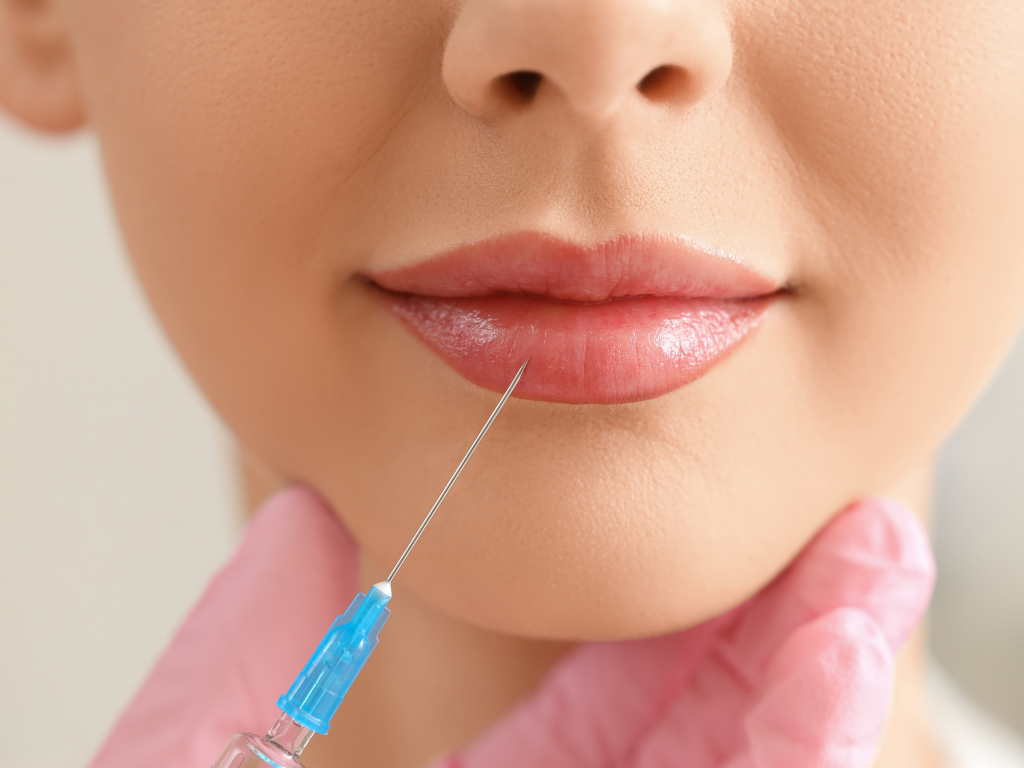
Non-surgical aesthetic treatments such as dermal fillers, Botox®, and skin boosters are now more popular than ever. You either have done them, work with someone who has done them or is thinking on doing them.While they can deliver subtle, rejuvenating results with minimal downtime, these procedures are not risk-free. The safety and final outcome depend largely on who performs the treatment.
Unfortunately, the growing demand for injectables has allowed a parallel rise of non-medical injectors -beauticians, technicians, and unregulated practitioners offering cut-price treatments without adequate medical training. As a result, serious complications are increasingly reported across Europe.
This article explains the difference between medical and non-medical injectors, outlines potential risks, reviews EU regulations, and provides practical tips to help patients choose a safe and qualified practitioner.
Medical vs. Non-Medical Injectors: What’s the Difference?
1. Medical injectors (Doctors, Surgeons & Licensed Healthcare Professionals)
These practitioners include:
- Plastic surgeons
- Dermatologists
- Maxillofacial Surgeons
- Otorhinolaryngologists (ENT)
- Aesthetic physicians.
They receive formal medical training in facial anatomy, emergency management, sterile technique, and pharmacology. Most importantly, they understand how to diagnose and manage complications such as vascular occlusion or allergic reactions.
Injection technique is only one part of safe treatment; the ability to recognise and treat complications is the real foundation of medical oversight.
2. Non-Medical Injectors (Beauticians, Technicians, Self-Trained Practitioners)
Are short courses or weekend workshops enough? Many non-medical injectors normally get their training with short, vendor sponsored, non-practical eduction. These sort of eduction typically lacks:
- In-depth anatomical knowledge
- Medical licensing
- Ability to diagnose and prescribe in emergency situations
- Training in aseptic technique
- Recognition and urgent management of complications
While they may offer lower prices, the risk profile is significantly higher. Most of the time, non-medical injectors pay for product costs upfront and need to perform as many treatments as possible in order to make sure they don’t lose money.
In many EU countries, providing injectables without a medical qualification is illegal—but oversight and enforcement vary.
Why training matters: Understanding the real risks
Dermal fillers and injectables may appear simple, but they involve needles and cannulas placed near blood vessels, nerves, and critical anatomical structures. Even small errors can lead to severe complications.
1. Vascular occlusion
This occurs when filler unintentionally enters a blood vessel, blocking blood flow to the skin or deeper tissues. Untreated, it can cause:
- Tissue necrosis
- Permanent scarring
- Functional impairment
Immediate treatment with hyaluronidase is required - Only medical providers can legally administer in most EU countries.
2. Blindness
Though rare, this is one of the most devastating risks. Filler injected into certain facial arteries (especially around the nose, forehead, and nasolabial fold) can travel backward into the central retinal artery, causing irreversible blindness.
Only practitioners with extensive anatomical knowledge can safely navigate high-risk areas.
3. Infection & skin damage
Improper sterilisation or poor technique can result in:
- Bacterial infections
- Abscess formation
- Biofilm infections requiring long-term antibiotics
- Permanent skin texture changes.
4. Poor aesthetic results
Beyond safety, inexperienced injectors may cause:
- Overfilled or asymmetric results
- Lumps and migration
- "Duck lips" or pillow face
- Unnatural outcomes requiring corrective treatment.
Fixing mistakes often costs more than choosing a qualified medical professional from the start.
Regulations across key EU countries
Regulation varies widely within the EU. Here is an overview:
France
Only medical doctors are legally allowed to inject dermal fillers and botulinum toxin. Nurses may assist under prescription and supervision. Beauticians cannot perform injectables.
Germany
Injectables must be administered by physicians. Botox® is strictly a prescription medication, and filler complications must be managed by licensed medical professionals.
Italy
Only medical doctors can perform injections. Nurses are permitted to assist in certain settings, but beauticians are prohibited from injecting.
Spain
Injectables can only be performed by doctors (aesthetic physicians, dermatologists, or surgeons). Enforcement is improving, but illegal practice remains a concern.
Netherlands
While oversight is strict, certain non-medical practitioners have attempted to operate in a legal grey zone. Officially, only BIG-registered medical professionals should inject.
Belgium & Luxembourg
Only doctors may inject fillers or Botox®. Nurse injectors must work under supervision.
Portugal
Injectables can only be performed by doctors (aesthetic physicians, dermatologists, or surgeons). Enforcement is improving, but illegal practice remains a concern.
General EU Trend
EU-wide, the direction is clear: injectables are recognised as medical treatments, and there is increasing pressure to restrict them to licensed medical professionals.
Patient Checklist - How to choose a safe injector?
Before booking any injectable treatment, ask the following five essential questions:
- Are you a medical doctor?
Do not accept vague answers like “certified aesthetic practitioner.” Ask for exact qualifications and verify them. Doctors can always present a diploma.
- Where did you receive your training in injectables?
Look for structured medical training - not weekend or internet courses.
- Do you have the ability to treat complications, including prescribing medication?
A safe injector must have emergency supplies (e.g., hyaluronidase) and resuscitation training.
- What products do you use, and are they CE-marked?
Only use approved fillers from reputable brands. Avoid “cheap and new” imports or unlabelled products.
- Do you provide treatment in a medical clinic, with proper hygiene standards?
Avoid hotel rooms, home salons, or mobile services.
The Risks of “Cheap Deals”
Social media is full of low-cost offers that seem too good to be true—and they often are. Low prices frequently indicate:
- Unqualified injectors
- Counterfeit, expired or shared products
- No emergency equipment
- No insurance
- Lack of aftercare
Remember: If complications occur, you will be left paying for medical correction—and sometimes dealing with permanent damage.
Injectables are medical procedures. They must be treated with the same respect as any other medical treatment.
Aesthetic injectables can be powerful tools for facial rejuvenation and confidence, but only when performed by trained medical professionals. Understanding the risks and knowing how to select the right practitioner are key to ensuring a safe and satisfying outcome.
Choose wisely, ask questions, and prioritise your safety over price.
Your face deserves expertise.